With the occasion of the 25th anniversary of the fall of the communist regime in then Czechoslovakia, and the so called Velvet Revolution that peaked on November the 17th, 1989, we bring you a special collection of reports that paint a picture of life in communism and what its end meant for Slovaks.
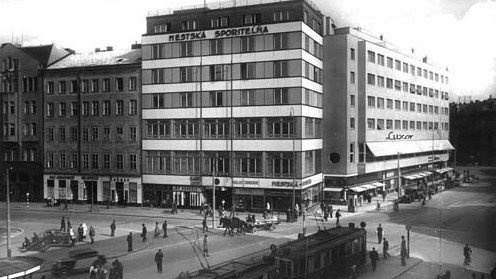
Life in pre-war Czechoslovakia was good. The country’s economy was doing very well after it had inherited about three quarters of the industry from the former Austro-Hungarian Empire when it was created in 1918. In fact, at that time Czechoslovakia was the tenth most industrialised country in the world. Cultural life flourished. Bratislava, the second largest town had a colourful mixture of nationalities and languages, including Hungarian, German, Hebrew, Czech and Slovak. Then the happiness went away. In 1938 Czechoslovakia was left out to dry in front of the advancing Nazi troops, which claimed the Sudeten region where most of the German minority lived. The Czech part was occupied and made a Protectorate of the Third Reich while today’s Slovakia lost a third of its territory to Hungary and the rest was transformed in a Nazi puppet state under the Catholic priest Josef Tiso.
Liberated by Soviet, Romanian and American troops, Czechoslovakia held general parliamentary elections in May 1946. At that time not many people were aware that this was to be the last free and honest ballot in this part of Europe, as it was about to enter four decades of Soviet style communism. To Husak’s dismay, the Communists gathered only about 31% of the votes overall and were outnumbered by democratic parties in Parliament. To add to injury, the Democratic Party got 62% of votes in Slovakia a number he could not forget and forgive. But based on their better election results in the Czech part, President Edvard Beneš, who was not a communist himself but sympathised with some leftist ideals, asked the communist leader Klement Gottwald, who had spent many years in Moscow and was surrounded by so-called Soviet advisors, to become Prime Minister. He accepted and began preparing a putsch to take control of Czechoslovakia by taking control of police and security forces first. Who was not with him was against him.
terror-1 Máte problém s prehrávaním? Nahláste nám chybu v prehrávači.
For more on how former political prisoners have tried to get recognition for their suffering and sacrifices check the following reports on this section.